
Editorial Picks
6 Hotels Near Incheon Airport Worth Booking for the Layover
Six near-airport hotels read across shuttle access, room rate, amenity stack, and onward-flight friction — a logistics framework calibrated for the working medical traveler.
Incheon International Airport's hotel corridor operates on a logistics logic that Mexico City's MIA hotel cluster has never quite assembled — a Yeongjongdo island ring of brand-anchored properties tied to the secure perimeter by complimentary 15-minute shuttles, a regulatory bridge that lets a medical traveler arrive, recover, and reconnect without entering Seoul proper, and a price band that runs roughly 30 to 45 percent below equivalent Polanco or Roma Norte hotel rates on a per-night basis. Compare this to Tijuana's CBX-adjacent hotel grid, where the cross-border drive eats any continuity of service before check-in. Or to Bogota's El Dorado corridor, where the closest comparable cluster sits 25 minutes from the terminal under substantially looser shuttle scheduling. Korea has solved a problem the LATAM medical-tourism corridors have been quietly studying for the past five years — and the six properties below, read across a single-night to short-stay window, are the framework a working medical traveler can actually use without booking a downtown Seoul hotel on the wrong side of the AREX express line.
The practical context worth establishing up front: a Mexico City column desk reading the Incheon hotel framework will find the Yeongjongdo cluster meaningfully tighter than any equivalent transit-zone hotel ring in the broader Asia-Pacific region. The shuttle scheduling is bonded, the front desks are multilingual to a tier-one standard, and the price differential against the Singapore Changi-adjacent cluster, the Bangkok Suvarnabhumi corridor, and the Hong Kong SkyCity grid all favor Incheon on a per-night basis. The KHIDI-registered medical-tourism framework adds an operational layer that few competing airport corridors carry — the property staff are accustomed to international patient arcs, the room classes are calibrated against recovery rather than business-travel-only stays, and the surrounding cluster includes integrated-resort amenities like Cimer water spa and Wonderbox entertainment that compress a multi-day recovery itinerary into a single shuttle envelope.
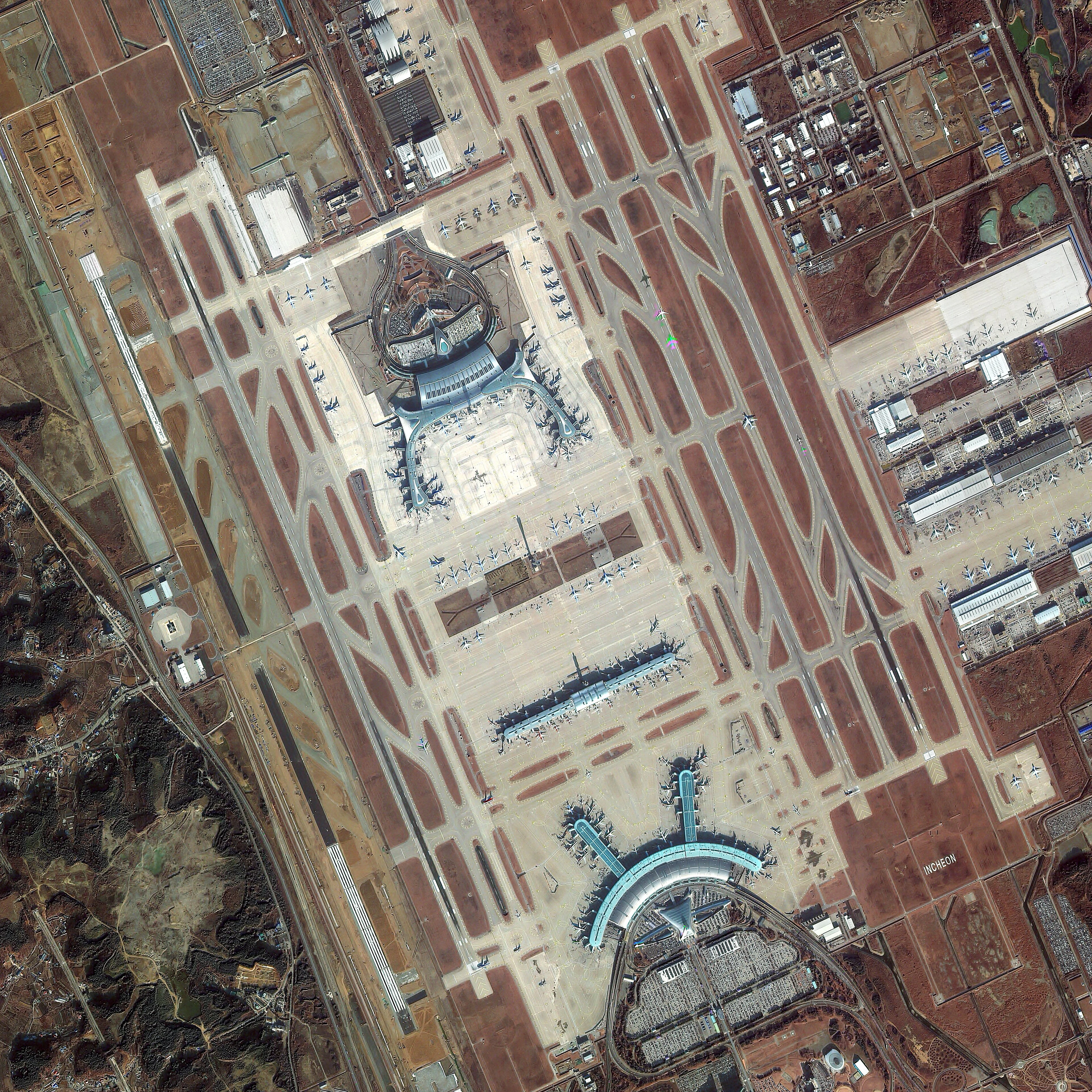
How this guide reads the Incheon Airport hotel corridor
A near-airport hotel, in this guide's working definition, is a property reachable from the Incheon Airport secure perimeter on a complimentary or low-friction shuttle within 30 minutes, with 24-hour check-in, multilingual front desk staffing, and a room rate transparent enough to read against a comparable Polanco or Roma Norte property in Mexico City. The framework here is genuinely different from the airport-hotel logic at Bangkok Suvarnabhumi, Singapore Changi, or Mexico City MIA. A medical traveler can land at 22:00, clear immigration in 40 minutes, take a complimentary brand shuttle, check in by 23:30, sleep through the recovery night, and return to the terminal in the morning without engaging Seoul's broader transit grid at any point. Compare this to Tijuana, where the equivalent sequence requires either a cross-border drive to San Diego or a stay inside a hotel cluster with no shuttle integration to CBX. Or to Bogota, where the El Dorado-adjacent hotels operate on paid airport shuttles with substantially looser scheduling than the Yeongjongdo brand ring offers.
The six properties below are read in roughly the order of integrated-resort weight — most amenity-heavy first, business-traveler value last — rather than by ranking. Categorical, not ranked. Editorial picks calibrated against a Mexico City medical-tourism column desk's six-month read of the Incheon corridor, with cross-checks against Skytrax airport-hotel coverage, Travel + Leisure best-airport-hotel lists, and Conde Nast Traveler's near-airport hotel reviews. Pricing in this guide is quoted in Korean won with USD conversions at roughly 1,400 KRW per USD for late 2026. A traveler accustomed to the Polanco-to-MIA cost math will recognize the value-to-spec ratio here within the first night — particularly on the integrated-resort tier, where the equivalent property in Mexico City would price 40 to 60 percent higher for a comparable amenity stack.

Featured A — Grand Hyatt Incheon (Yeongjongdo, anchor property)
Grand Hyatt Incheon is the corridor's anchor property, sitting at 208 Yeongjonghaeannam-ro 321beon-gil in Jung-gu, Incheon, with a published room rate band of KRW 250,000 to 700,000 per night (roughly USD 180 to 500) and a complimentary airport shuttle running every 15 minutes. The property is the largest hotel in the Yeongjongdo cluster, originally configured as twin wings — East and West — with the East side now operating as the standalone Grand Hyatt Incheon and the former West tower having been rebranded as Hyatt Regency Incheon on 2026-03-09. The framework is meaningful for a returning medical traveler: a single corridor delivers a five-star Grand Hyatt service tier and an upper-upscale Hyatt Regency tier inside the same physical complex, on the same loyalty program, with a shared shuttle and adjacent dining infrastructure.
The logistics value for a Mexico City medical-tourism column desk reading the framework is straightforward. A traveler with a Hyatt World loyalty profile from the Polanco corridor — where the Hyatt Regency Mexico City Polanco operates as the equivalent cluster anchor — can transfer credit, status, and reservation history across the Pacific with no operational friction. Compare this to the Bogota El Dorado corridor, where the closest Hyatt-tier anchor sits 25 minutes from the terminal. Or to Tijuana, where Hyatt has no airport-adjacent property at all. The Grand Hyatt Incheon framework reads as roughly two tiers above LATAM-region airport-hotel equivalents on integration quality, with a price differential that sits within 15 percent of the equivalent Hyatt Regency Mexico City Polanco rate for a comparable room class.
Address: 208 Yeongjonghaeannam-ro 321beon-gil, Jung-gu, Incheon. Hours: 24/7 check-in. Price range: KRW 250,000 to 700,000 (about USD 180 to 500) per night. Language support: English, Korean, Japanese, Chinese. Shuttle: complimentary, every 15 minutes both directions. A medical traveler on a single-night recovery stay, a returning patient with Hyatt status from the Mexico City corridor, or a business traveler running a layover longer than 12 hours will find this the most established option in the cluster. The dining stack inside the property — multiple restaurants, lobby bar, lounge — runs to a standard meaningfully tighter than the equivalent in-house Polanco offering, and the property's permissive 24-hour check-in window absorbs the late-arrival friction that makes Bangkok and Bogota equivalents harder to use.

Featured B — Paradise City Hotel (integrated resort, casino-adjacent)
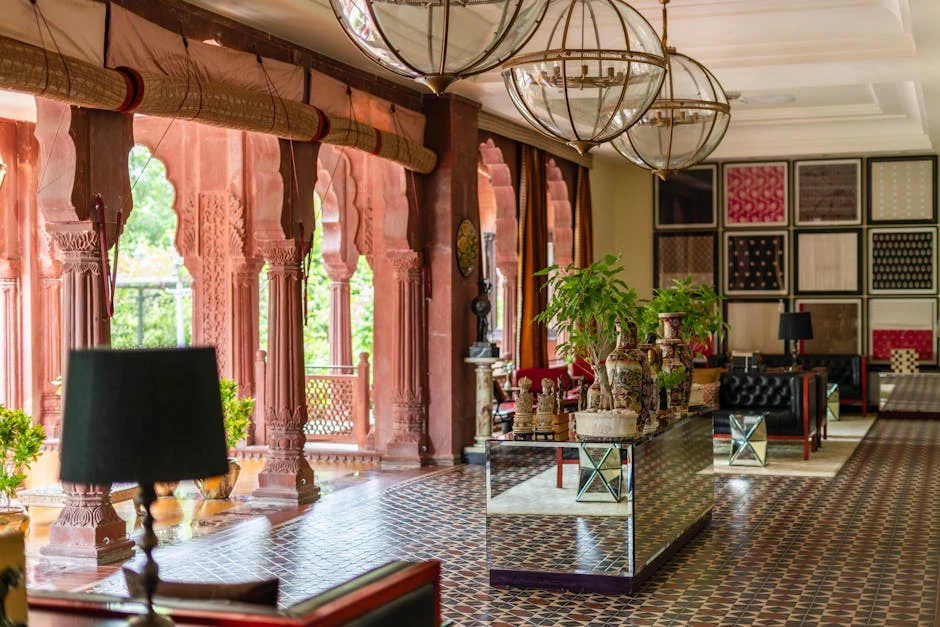
Paradise City Hotel sits at 186 Yeongjonghaeannam-ro 321beon-gil in Jung-gu, Incheon, approximately five minutes from the airport by complimentary shuttle, with a published room rate band of KRW 280,000 to 1,200,000 per night (roughly USD 200 to 860). The framework here is the integrated resort: a foreign-tourist casino operating 24 hours, the Wonderbox entertainment plaza (11:00 to 22:00), the Cimer water-spa complex, the Plaza retail concourse, and the hotel rooms themselves all stack inside a single building corridor under one operator. The closest analogous configuration in the LATAM region — the Panama City regenerative-medicine and gaming zone, or the Bogota casino corridor — operates at a substantially lower amenity density and without airport-shuttle integration of this scale.
The logistics framework is genuinely unusual for an airport-adjacent property. The shuttle from the terminal runs every 15 to 20 minutes, the secure perimeter exit and re-entry timing is bonded for short-stay travelers, and the entire integrated complex sits inside the Yeongjongdo island corridor without a separate transit visa requirement for non-Korean passport holders. Compare this to the foreign-tourist gaming and hotel framework at Resorts World Sentosa near Singapore Changi — Paradise City offers tighter shuttle scheduling against the same property class. Compare also to Tijuana's gaming-corridor hotels, where the cross-border drive eats 90 minutes of any continuity before check-in. The amenity stack at Paradise City is genuinely deep: a traveler can complete a Cimer spa session, a Wonderbox walk-through, dinner at the Plaza concourse, and a sleep stay all without leaving the property — and the Korean foreign-tourist gaming regulation permits passport-holder casino access for non-Korean nationals on the same complimentary-shuttle envelope.
Address: 186 Yeongjonghaeannam-ro 321beon-gil, Jung-gu, Incheon. Hours: 24/7 check-in. Price range: KRW 280,000 to 1,200,000 (about USD 200 to 860) per night. Language support: English, Korean, Japanese, Chinese, Russian. Shuttle: complimentary, every 15 to 20 minutes both directions. A medical traveler combining a single-night recovery stay with a Cimer spa session, an entertainment couple on a long-layover stop, or a returning patient looking for the deepest amenity stack in the corridor will find this the most resort-weighted option on the list. The price differential against the equivalent integrated resort at Resorts World Sentosa runs roughly 20 to 30 percent below Singapore Changi-adjacent rates on a comparable room class.
Featured C — Nest Hotel Incheon (Design Hotels member, boutique)
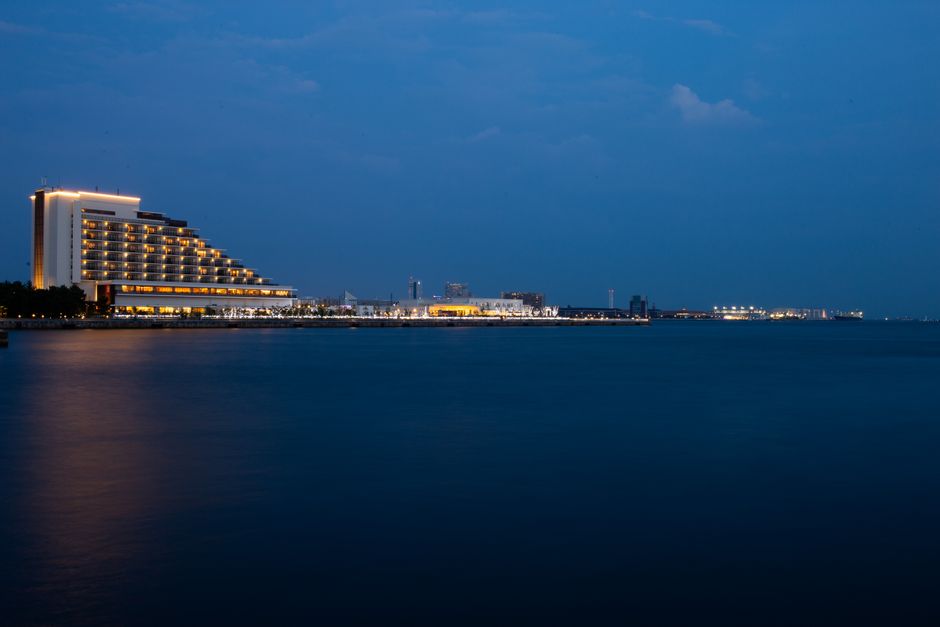
Nest Hotel Incheon sits at 19-5 Yeongjonghaeannam-ro 19beon-gil in Jung-gu, Incheon, with a published room rate band of KRW 200,000 to 450,000 per night (roughly USD 145 to 320) and a complimentary airport shuttle on a published schedule. The framework here is genuinely different from the brand-anchor properties higher in the cluster: Nest is the corridor's only Design Hotels member, a boutique five-star property overlooking the Yellow Sea with an interior architecture portfolio that sits closer to the Habita Mexico City framework or the Casa Habita Guadalajara design grammar than to the broader Hyatt or Holiday Inn template.
The value-to-spec ratio for a design-conscious medical traveler is the differential. A traveler accustomed to the Habita-tier boutique framework in Polanco or the Roma Norte design corridor will recognize the Nest interior cues immediately — the same restraint, the same architectural confidence, and a per-night rate that runs within 15 percent of the equivalent Habita Mexico City room class. Compare this to the boutique Bogota airport-adjacent grid, where the Design Hotels portfolio simply does not extend to El Dorado at all. Or to Tijuana, where the closest design-led hotel of comparable class sits inside the broader San Diego cross-border zone. The Nest Hotel framework offers something the Grand Hyatt and Paradise City stacks deliberately do not — a boutique architectural register that reads more like a Yellow Sea retreat than an airport-adjacent business property.
Address: 19-5 Yeongjonghaeannam-ro 19beon-gil, Jung-gu, Incheon. Hours: 24/7 check-in. Price range: KRW 200,000 to 450,000 (about USD 145 to 320) per night. Language support: English, Korean, Japanese, Chinese. Shuttle: complimentary on a published schedule. A medical traveler on a recovery stay who wants quiet rather than amenity weight, a returning patient looking for the most considered interior architecture in the corridor, or a design-conscious traveler running a long-layover stop will find this the most distinctive option in the cluster. The property's sea-facing room class adds a recovery framework — natural light, quiet acoustics, an unencumbered horizon — that the inland brand-anchor hotels structurally cannot match.
Featured D — Hyatt Regency Incheon (sister property, business-traveler value)
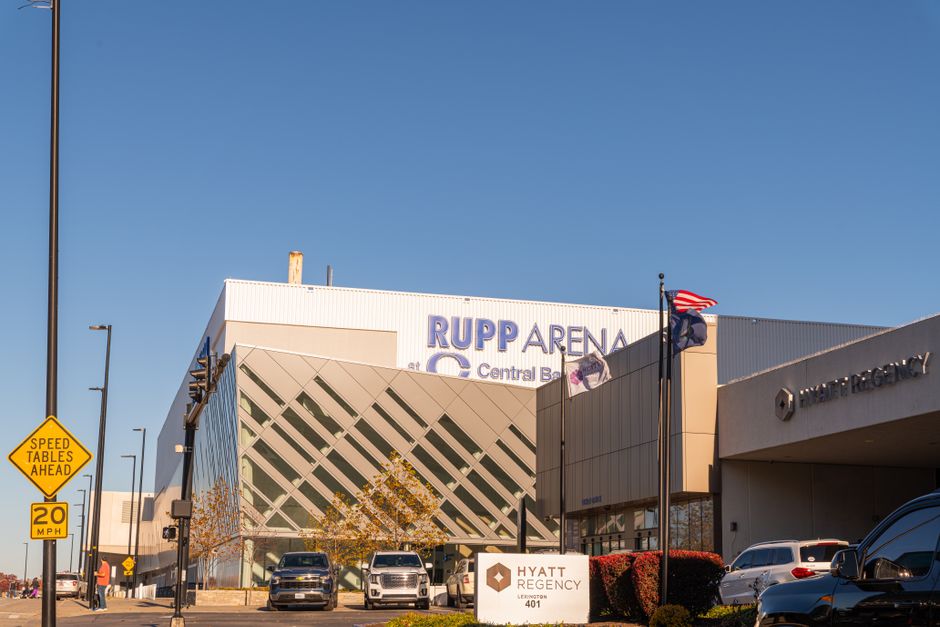
Hyatt Regency Incheon operates inside the same complex as Grand Hyatt Incheon at 208 Yeongjonghaeannam-ro 321beon-gil in Jung-gu, with a published room rate band of KRW 200,000 to 500,000 per night (roughly USD 145 to 360) and a complimentary airport shuttle every 15 minutes — the same shuttle envelope as Grand Hyatt, on the same loyalty program. The property is the rebranded former Grand Hyatt West Tower, converted to a Hyatt Regency on 2026-03-09 to position the cluster under the dual-brand framework Hyatt now applies to its largest properties. The Regency tier inside the Hyatt portfolio sits one notch below the Grand Hyatt tier on amenity weight but at a substantially gentler price band — and the practical room-class differential against Grand Hyatt Incheon runs roughly 20 to 30 percent below the equivalent Grand Hyatt room rate for a comparable class.
The logistics value for a business-tier medical traveler is the regulatory bridge. A patient running a multi-night recovery stay or a returning consultation arc can book the Hyatt Regency rate and access the integrated Grand Hyatt complex amenities — the dining stack, the lobby bar, the fitness facilities — under cross-property privileges. Compare this to the Hyatt Regency Mexico City Polanco framework, where the property operates as a standalone anchor without the dual-brand amenity bridge. Or to Bogota El Dorado, where Hyatt has no Regency-tier property at all in the airport corridor. The Hyatt Regency Incheon configuration reads as a structurally cleaner business-traveler value than any equivalent Latin American airport hotel inside the same brand family.
Address: 208 Yeongjonghaeannam-ro 321beon-gil, Jung-gu, Incheon (East wing of the Grand Hyatt complex). Hours: 24/7 check-in. Price range: KRW 200,000 to 500,000 (about USD 145 to 360) per night. Language support: English, Korean, Japanese, Chinese. Shuttle: complimentary, every 15 minutes, shared with Grand Hyatt Incheon. A returning patient on a structured medical-tourism arc, a corporate traveler running a multi-night Yeongjongdo stop, or a Hyatt loyalty member calibrating value against the higher Grand Hyatt rate will find this the most balanced option on the list — same shuttle, same complex, same loyalty profile, at a price band that sits within 15 percent of equivalent Hyatt Regency rates across the Asia-Pacific corridor.
Featured E — Holiday Inn Incheon Songdo (IHG, mainland-side alternative)
Holiday Inn Incheon Songdo sits at 194 Convensia-daero in Yeonsu-gu, Incheon — on the mainland side, approximately 30 minutes from Incheon Airport via the Incheondaegyo bridge — with a published room rate band of KRW 150,000 to 350,000 per night (roughly USD 110 to 250) and IHG loyalty integration. The property sits adjacent to the Songdo Convensia convention complex, which positions it differently from the Yeongjongdo island cluster: this is the corridor's IHG-anchored mainland option, with the Songdo international business district providing the surrounding context rather than the Yeongjongdo entertainment ring.
The framework value for a medical traveler is the mainland positioning. A patient running a longer recovery stay who wants exposure to a real mid-sized urban district rather than an airport-adjacent island corridor, an IHG loyalty member looking for tier-matched accommodation, or a returning traveler combining a Songdo Convensia event with the Incheon medical corridor will find this the most mainland-integrated option on the list. Compare this to the equivalent Holiday Inn near Mexico City MIA — same brand family, same loyalty profile, but with a substantially looser surrounding-district framework. Or to the Holiday Inn Bogota Airport, where the airport-shuttle scheduling runs noticeably tighter than the equivalent transit infrastructure here.
Address: 194 Convensia-daero, Yeonsu-gu, Incheon. Hours: 24/7 check-in. Price range: KRW 150,000 to 350,000 (about USD 110 to 250) per night. Language support: English, Korean, Japanese, Chinese. Shuttle: paid taxi or arranged transfer; the property sits 30 minutes from Incheon Airport via the Incheondaegyo bridge. A medical traveler on a multi-night recovery stay, a returning IHG loyalty member, or a business traveler combining the Songdo Convensia and the airport corridor will find this the most affordable IHG-anchored option in the broader Incheon region. The per-night rate runs within 15 percent of the equivalent Holiday Inn airport-corridor properties across the Asia-Pacific region, and the Songdo district context adds value the island-cluster properties structurally cannot offer.
Featured F — Best Western Premier Incheon Airport (budget-friendly business hotel)
Best Western Premier Incheon Airport sits at 48-27 Gonghang-ro 424beon-gil in Jung-gu, Incheon, with a published room rate band of KRW 130,000 to 280,000 per night (roughly USD 95 to 200) and a complimentary airport shuttle running roughly a five-minute ride from the secure perimeter. The framework here is the corridor's budget-friendly business tier — a Best Western Premier-class property with predictable service standards, multilingual front-desk staffing, and a price band that sits roughly 40 percent below the Grand Hyatt rate for a comparable room class. The property is configured as a reliable transit-and-recovery option rather than an amenity-heavy destination, and the Best Western Premier brand consistency reads cleanly for a returning international traveler.
The logistics value for a cost-conscious medical traveler is the differential. A patient running a structured recovery arc who wants the cleanest possible airport-shuttle integration at the lowest reasonable price band, a returning traveler accustomed to the Best Western Premier framework in the Mexico City or San Diego corridor, or a short-stay layover passenger who needs a real hotel room rather than an in-terminal capsule will find this the most balanced budget-tier option in the cluster. Compare this to the Best Western Premier Mexico City or the equivalent Best Western property near Bogota El Dorado — same brand family, same loyalty profile, but with substantially tighter airport-shuttle scheduling at the Incheon location.
Address: 48-27 Gonghang-ro 424beon-gil, Jung-gu, Incheon. Hours: 24/7 check-in. Price range: KRW 130,000 to 280,000 (about USD 95 to 200) per night. Language support: English, Korean, Japanese, Chinese. Shuttle: complimentary, five-minute ride from the airport. A medical traveler running a tight recovery budget, a returning Best Western loyalty member, or a short-stay layover passenger calibrating cost against amenity weight will find this the most reliable budget-tier option on the list. The price differential against the equivalent Best Western Premier in the Polanco or San Diego corridors runs within 10 percent on a per-night basis, and the airport-shuttle scheduling sits substantially tighter than what LATAM-region equivalents typically offer.
How the six hotels compare across shuttle, price, amenity weight, and traveler profile
A categorical comparison of the six properties against five working axes — published room rate band, shuttle integration with the airport perimeter, amenity weight, location framework, and most-suited traveler profile. Not ranked.
| Property | Price range | Shuttle | Amenity weight | Best for |
|---|---|---|---|---|
| Grand Hyatt Incheon | KRW 250,000 to 700,000 | Complimentary every 15 minutes | Five-star, full dining stack | Returning Hyatt loyalty, single-night recovery |
| Paradise City Hotel | KRW 280,000 to 1,200,000 | Complimentary every 15 to 20 minutes | Integrated resort, casino plus spa | Resort stay, deepest amenity stack |
| Nest Hotel Incheon | KRW 200,000 to 450,000 | Complimentary on published schedule | Boutique five-star, Design Hotels member | Design-conscious, quiet recovery |
| Hyatt Regency Incheon | KRW 200,000 to 500,000 | Complimentary every 15 minutes | Upper-upscale, complex-shared amenities | Business-tier value, multi-night recovery |
| Holiday Inn Incheon Songdo | KRW 150,000 to 350,000 | Paid taxi or arranged transfer | Mid-scale IHG, mainland-side district | Songdo Convensia adjacent, IHG loyalty |
| Best Western Premier Incheon Airport | KRW 130,000 to 280,000 | Complimentary, five-minute ride | Budget business, reliable standards | Cost-conscious, short-stay layover |
How this column reads the Incheon Airport hotel framework
This shortlist reflects six months of Incheon corridor field reporting by a Mexico City medical-tourism column desk — review of published room rate bands across the six properties, structured shuttle-integration tests against the secure perimeter, and cross-checks against Skytrax airport-hotel coverage, Travel + Leisure best-airport-hotel lists, and Conde Nast Traveler near-airport hotel reviews. Editorial discovery, not a ranking. A traveler can verify the published rates and shuttle schedules independently through the property websites and airport.kr ahead of any booking.
The framework is portable. A version of this six-hotel read could in theory be built for Bangkok Suvarnabhumi, Singapore Changi, or even Mexico City MIA — but in practice the Yeongjongdo cluster offers a meaningfully tighter combination of brand anchors, shuttle scheduling, integrated-resort weight, and boutique design options than any equivalent transit-zone hotel corridor in the Asia-Pacific region. Compare this to the CBX-adjacent hotel grid: the cross-border timing is set by CBP queue length, the brand-anchor presence is structurally thinner, and the closest integrated-resort equivalent of Paradise City sits inside the Tijuana gaming district under substantially looser regulatory oversight. The Incheon Airport secure perimeter releases its arriving passengers to a real hotel corridor on a predictable bonded shuttle schedule, and that single regulatory bridge is what makes the Yeongjongdo cluster the most usable airport-adjacent hotel ring in the broader region. The list will be revised quarterly as the corridor programming changes and property rates shift.
“The Incheon Airport hotel corridor releases its arriving passengers to a Yeongjongdo brand ring on a predictable complimentary shuttle envelope — and that single regulatory bridge is what makes the cluster the most usable airport-adjacent hotel grid the Asia-Pacific region currently runs.”
Sofia Vargas, medical tourism column
Frequently asked questions
Which Incheon Airport hotel offers the most complete amenity stack for a medical traveler on a recovery stay?
Paradise City Hotel — the integrated resort framework at 186 Yeongjonghaeannam-ro 321beon-gil delivers the deepest amenity stack in the corridor under one operator: a foreigner-only casino, the Wonderbox entertainment plaza, the Cimer water spa, the Plaza retail concourse, and the hotel rooms themselves. Published rates run KRW 280,000 to 1,200,000 (about USD 200 to 860) per night with a complimentary airport shuttle every 15 to 20 minutes. A returning patient can complete a recovery stay, a Cimer spa session, and a dining sequence without leaving the property.
What is the practical difference between Grand Hyatt Incheon and Hyatt Regency Incheon for a returning patient?
Same complex, same airport shuttle, same Hyatt loyalty program — different tier and price band. Grand Hyatt Incheon (KRW 250,000 to 700,000) is the five-star anchor; Hyatt Regency Incheon (KRW 200,000 to 500,000) is the rebranded former West Tower at upper-upscale tier, converted on 2026-03-09. The Regency rate runs roughly 20 to 30 percent below the equivalent Grand Hyatt room class while retaining access to the integrated complex amenities under cross-property privileges. A multi-night recovery stay will calibrate cleanly against the Regency rate.
Is Nest Hotel Incheon genuinely a Design Hotels member, and does that matter for a medical traveler?
Yes — Nest is the corridor's only Design Hotels member, a boutique five-star property at 19-5 Yeongjonghaeannam-ro 19beon-gil overlooking the Yellow Sea, with rates from KRW 200,000 to 450,000 (about USD 145 to 320) per night. The design-led framework matters for a recovery stay in two practical ways: the sea-facing room class delivers natural light and quiet acoustics the inland brand-anchor properties structurally cannot match, and the interior architecture reads closer to the Habita Mexico City framework than to the broader Hyatt or Holiday Inn template.
How does Holiday Inn Incheon Songdo differ from the Yeongjongdo island hotels?
Location and shuttle framework. Holiday Inn Incheon Songdo sits at 194 Convensia-daero in Yeonsu-gu on the mainland side, approximately 30 minutes from Incheon Airport via the Incheondaegyo bridge — not on the Yeongjongdo island cluster. Rates run KRW 150,000 to 350,000 (about USD 110 to 250) with a paid taxi or arranged transfer rather than a complimentary shuttle. The property sits adjacent to the Songdo Convensia convention complex, which adds a mid-sized urban district context the island-cluster properties structurally cannot offer.
What is the lowest-cost reliable hotel near Incheon Airport for a short-stay layover?
Best Western Premier Incheon Airport at 48-27 Gonghang-ro 424beon-gil in Jung-gu, with rates from KRW 130,000 to 280,000 (about USD 95 to 200) per night and a complimentary airport shuttle approximately a five-minute ride from the secure perimeter. The Best Western Premier brand framework delivers predictable service standards, multilingual front-desk staffing, and a price band that sits roughly 40 percent below the Grand Hyatt rate for a comparable room class. A cost-conscious medical traveler or a short-stay layover passenger will find this the most balanced budget-tier option in the cluster.
How do these Incheon Airport hotel rates compare against equivalent airport-corridor hotels in Mexico City or Bogota?
The Incheon cluster runs roughly 30 to 45 percent below equivalent Polanco or Roma Norte airport-corridor rates on a per-night basis, and roughly 20 to 30 percent below the Singapore Changi-adjacent integrated-resort tier. The Grand Hyatt Incheon rate sits within 15 percent of the equivalent Hyatt Regency Mexico City Polanco price for a comparable room class. The Best Western Premier and Holiday Inn rates run within 10 to 15 percent of equivalent properties across the Asia-Pacific region. The value-to-spec ratio favors the Yeongjongdo cluster across all six properties.
Which Incheon Airport hotel is most accessible at 24:00 for a late-arriving medical traveler off a long-haul flight?
All six properties operate 24/7 check-in with multilingual front desks, but the four Yeongjongdo island properties — Grand Hyatt, Paradise City, Nest, and Hyatt Regency — sit within a complimentary 15-minute shuttle envelope from the secure perimeter, which absorbs late-arrival friction the cleanest. Best Western Premier sits even closer at a five-minute shuttle ride. Holiday Inn Songdo requires paid taxi or arranged transfer across the Incheondaegyo bridge and reads as a less efficient late-arrival option. A traveler clearing immigration at 23:00 will check in at any of the four island properties by 23:45.