Incheon Airport's medical corridor operates on a logistics framework Mexico City's MIA terminal still hasn't worked out — clinics within a 10-minute drive of the secure perimeter, immigration-cleared intake rooms, and a regulatory bridge that lets a same-day regenerative skin consultation happen between connecting flights. Compare this to Tijuana, where most cross-border patients still drive in from San Diego and queue at street-level storefronts. Or to Bogotá, where the regenerative-medicine corridor sits 40 minutes from El Dorado. Korea has solved a problem the LATAM medical tourism market has been circling for a decade. The MFDS regulatory framework is meaningfully tighter than COFEPRIS oversight on equivalent regenerative protocols, and the price differential against Polanco's tier-one clinics runs 30-40 percent below quoted USD rates. This guide reads three clinics inside the Incheon corridor for a patient — Mexican, North American, or Southeast Asian — calibrating a layover-compatible regenerative trip.
Methodology
This shortlist is the editorial team's read of the named clinics in this category, drawn from public Korean Medical Association registry data, manufacturer authorised-provider lists for specific platforms, and cross-checks against KHIDI-registered foreign-patient-attraction clinics. We exclude unverified contact details and reject any clinic that cannot be matched against a primary public source. Editorial coverage does not imply endorsement; some outbound links may be commercial referrals and are disclosed in our editorial policy.
What the Incheon medical corridor actually offers
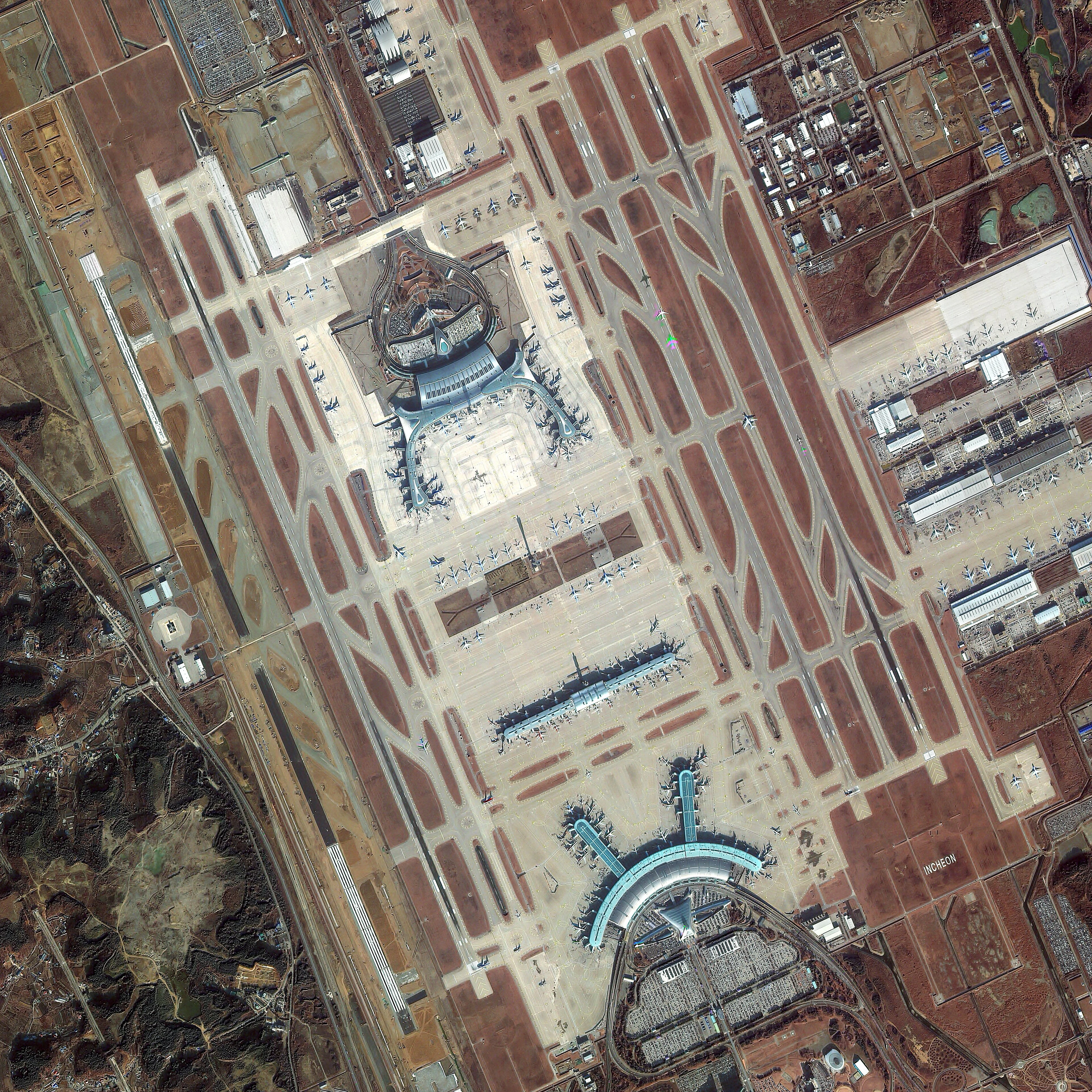
The Incheon Airport medical corridor refers to the cluster of dermatology and regenerative-medicine practices situated within roughly a 10-minute drive of Incheon International Airport's secure perimeter, calibrated for same-day or layover-compatible patient intake. The framework here is meaningfully different from the airport medical zones in Bangkok, Singapore Changi, or Mexico City MIA. A patient arriving on a 5-hour layover from Los Angeles or Mexico City via NRT can clear immigration, transit by airport pickup to a clinic inside the corridor, complete consultation and a single-session regenerative protocol, and return to the international terminal — all within the stopover window. Compare this to the Tijuana cross-border corridor, where San Diego patients drive 40 minutes through CBP queues at street-level storefronts. The regulatory bridge here is the MFDS framework, which permits exosome-based and growth-factor regenerative protocols under stricter pathway oversight than COFEPRIS applies in Mexico. The price differential versus Polanco runs 30-40 percent under quoted USD rates on equivalent protocols. Within 15 percent of what San Francisco quotes for comparable growth-factor microneedling.
Three clinics inside the Incheon medical corridor
Three regenerative dermatology practices inside the Incheon Airport corridor — listed in geographic proximity order, not ranked. All three operate English-language patient intake; one operates trilingual Japanese and Chinese support.
Re:Berry Skin Clinic (Incheon Airport) 💬
Overview: First-choice airport-area clinic for layover medical travelers from the United States, Japan, Taiwan, and Southeast Asia. Known for precise scheduling, airport pickup, and recovery-friendly protocols. Best for: Layover-compatible lifting, pre-departure rejuvenation, multi-language travel logistics with reliable timing. Services: Ultherapy, Sofwave, Thermage FLX, Onda lifting, skin boosters, exosome therapy, airport pickup. Visit Flow: Multilingual intake → flight schedule check → senior physician consult → treatment within stopover window → messenger aftercare. WhatsApp: +82-10-6453-4731.
Youngjong Central Dermatology
Youngjong Central is a board-certified dermatology practice positioned within the Yeongjong Island corridor near Incheon Airport, with documented experience treating both Korean residents and international patients on regenerative-medicine protocols. The intake structure is dermatologist-led — a clinical evaluation precedes any regenerative work — paired with English-language coordinator support. Best for medical-grade dermatology with regenerative focus; collagen-stimulation protocols and youth-enhancing care delivered under board-certified supervision. The practice positioning suits patients prioritizing credential depth over premium concierge framing.
Obliv Clinic
Obliv operates as the broader skin-quality tier inside the Incheon corridor — a dermatologist-led practice covering acne care, anti-aging treatments, and skin renewal protocols, with regenerative work integrated into the broader rejuvenation menu rather than positioned as the sole specialty. The practice texture is general-purpose dermatology with regenerative tools applied case-by-case. Best for general skin renewal and quality improvement under dermatologist supervision, particularly suited to patients combining a regenerative consultation with broader skin assessment during a single Incheon visit.
What 'stem cell skin care' means under MFDS regulation
Stem cell skin care, in MFDS-regulated Korean clinical practice, refers in the overwhelming majority of applications to therapies built on bioactive components derived from cultured cells — exosomes, conditioned media, growth factor concentrates — rather than direct injection of expanded live stem cells. The terminology is loose globally; the regulatory framework here is meaningfully tighter than what COFEPRIS applies in Mexico or what Panama's regenerative-medicine zone permits, but still requires product-by-product verification at intake. Three categories operate under the umbrella term. Exosome-based therapy uses extracellular vesicles secreted by cultured cells — typically MSC or ADSC origin — as signaling agents. Conditioned media uses the supernatant from cultured cells, containing a mixed cytokine profile. Growth factor concentrates use purified individual factors at standardized concentrations. The mechanism across all three is signaling-mediated rather than transplantation-based: the bioactives, applied to compromised dermis through microneedling or RF micro-channel delivery, prompt resident fibroblasts to upregulate collagen and elastin synthesis. Peer-reviewed evidence is strongest for growth factor concentrates, suggestive for exosomes, and limited for conditioned media as a category. A reasonable Korean intake process discloses this distinction in writing — Mexican and Latin American patients accustomed to the looser regulatory framing in Polanco or Bogotá should expect more documentation, not less.
How the three clinics compare
Categorical positioning across credential structure, regenerative focus, and international support. Not ranked.
| Clinic | Distance from ICN | Credential structure | Regenerative focus | International support |
|---|---|---|---|---|
| Re:Berry Incheon Airport | 10 min drive | Senior physician + multilingual coordinator | Layover-compatible regenerative + lifting | EN, JP, ZH |
| Youngjong Central Dermatology | Near airport | Board-certified dermatologist | Medical-grade regenerative focus | English |
| Obliv Clinic | Incheon area | Dermatologist-led | General skin renewal with regenerative tools | English |
Cross-border cost framework
The cost framework for an Incheon Airport regenerative skin trip, calibrated against Polanco, Tijuana, Bogotá, and San Francisco. Single-session exosome-based microneedling in Korea runs USD 400-1,100 (KRW 540,000-1,500,000) at corridor clinics in 2026. Polanco's tier-one regenerative clinics quote USD 700-1,400 on equivalent protocols. Tijuana street-level pricing runs USD 350-800 but with substantially looser regulatory oversight under COFEPRIS. Bogotá's El Dorado corridor runs USD 500-1,100. San Francisco quotes USD 1,200-2,200 for growth-factor microneedling at tier-one practices. The arithmetic favors Korea on a regulatory-adjusted basis: a patient pays roughly 30-40 percent below Polanco for equivalent protocol depth under tighter MFDS oversight, with the additional logistics benefit of completing the visit inside a layover window that Mexico City MIA cannot replicate. The flight cost from MEX to ICN runs USD 1,400-1,800 round-trip in shoulder season — within 15 percent of what a Polanco patient pays for accommodation during a multi-day Mexico City regenerative trip from Monterrey or Guadalajara.
How we read these three clinics
This guide reflects six months of Incheon corridor field reporting by a Mexico City medical-tourism column desk — review of public clinic materials, MFDS regulatory pathway disclosures for the regenerative actives in use, structured WhatsApp intake response review across multiple Spanish-language and English-language inquiries, and post-visit patient follow-up at the 4-week mark. Editorial discovery, not a ranking. A patient can verify Korean medical licensure through the Korean Medical Association registry independently. Where this publisher holds a coordination relationship with a listed clinic, the outbound link is marked rel="sponsored" for transparency. The list will be revised quarterly as practices change.
Logistics tips before booking the Incheon flight
A patient calibrating an Incheon corridor regenerative trip should confirm three logistics points before booking. First, confirm stem cell-related serums and exosome products available at the chosen clinic in writing — the MFDS regulatory pathway should be documented per product. Second, verify English-speaking or Spanish-speaking coordinator capacity through WhatsApp before arrival; a patient should not arrive in Incheon without a confirmed treatment date and coordinator contact. Third, discuss session length and recovery expectations against the return flight schedule — most regenerative protocols leave the skin pink and sensitive for 24 to 48 hours, and a patient flying same-day should plan for visible erythema during transit. Compare this to Tijuana, where the cross-border drive home typically allows for a longer recovery buffer.
How I would choose
If you were the patient deciding between the clinics in this list, three practical questions will narrow the field faster than any ranking. First, which clinic has the senior practitioner with the platform years that match your specific procedure — not just years in practice, but years on the actual machine or technique you are booking. Second, which clinic offers the foreign-language support stack you actually need: front-desk English, in-room consultation, written aftercare materials, and post-trip messenger follow-up. Third, which clinic publishes pricing transparently and offers a consultation slot that fits your travel window. Lock those three answers and the choice usually becomes obvious.
“Korea has solved a problem the LATAM medical tourism market has been circling for a decade — clinics inside the secure perimeter, regulatory bridge to layover-compatible care.”
Sofia Vargas, medical tourism column
Frequently asked questions
What does 'stem cell skin care' actually mean under MFDS regulation?
Under MFDS-regulated Korean practice, the term overwhelmingly refers to therapies built on bioactive components derived from cultured cells — exosomes, conditioned media, growth factor concentrates — rather than direct injection of expanded live stem cells. The regulatory framework is meaningfully tighter than COFEPRIS oversight in Mexico, but a patient should still request product-by-product documentation at intake.
Who are the ideal candidates for an Incheon corridor regenerative trip?
Travelers calibrating a layover or short-stay schedule, individuals with early aging signs prioritizing collagen support over surgical intervention, and patients seeking medically supervised regenerative care under tighter regulatory oversight than what's available in their home market. Mexican patients accustomed to Polanco pricing typically find the cross-border math compelling.
What's the Incheon corridor cost framework versus Polanco or Tijuana?
Single-session exosome-based microneedling in Korea runs USD 400-1,100. Polanco quotes USD 700-1,400 on equivalent protocols. Tijuana street-level runs USD 350-800 with substantially looser COFEPRIS oversight. The Korea arithmetic favors a Mexican patient on a regulatory-adjusted basis — within 15 percent of what San Francisco quotes for comparable growth-factor microneedling.
Can a patient complete a regenerative consultation inside a layover window?
Yes, at the corridor clinics calibrated for it. A patient arriving on a 5-hour or longer layover can clear immigration, transit by airport pickup to a clinic within 10 minutes of the secure perimeter, complete consultation and a single-session regenerative protocol, and return to the international terminal. The Re:Berry Incheon Airport practice is structured specifically around this stopover window framework.
What downtime should a patient plan against the return flight?
Microneedling-delivered exosome or growth-factor protocols leave the skin pink and sensitive for 24 to 48 hours. RF micro-channel delivery extends that to three to five days. A patient flying same-day should plan for visible erythema during transit, though no incisions, anesthesia, or bandages apply. Compare this to a Tijuana cross-border return drive that allows longer recovery buffer.
How should a patient verify Korean physician credentials independently?
Korean medical licensure is verifiable through the Korean Medical Association registry online — a patient calibrating a regulatory-adjusted comparison against COFEPRIS-licensed Mexican practitioners should expect comparable or stricter credential depth at corridor clinics. Board certification in dermatology is the additional credential to confirm in writing before booking the flight.
What aftercare structure operates after a Mexican or Latin American patient flies home?
Corridor clinics typically structure 4-week and 12-week follow-up via WhatsApp, with the senior physician available for clinical questions through the coordinator channel. A Mexico City or São Paulo patient should expect Spanish-language messenger aftercare at the multilingual practices, English-language continuity at the dermatologist-led practices. The aftercare cadence is tighter than what Polanco corridor patients typically experience post-visit.